Swiss Regulatory Changes Reshape Mobile Slot Tracking Features
Iris Washington · Aug 24, 2026
Swiss Regulatory Changes Reshape Mobile Slot Tracking Features
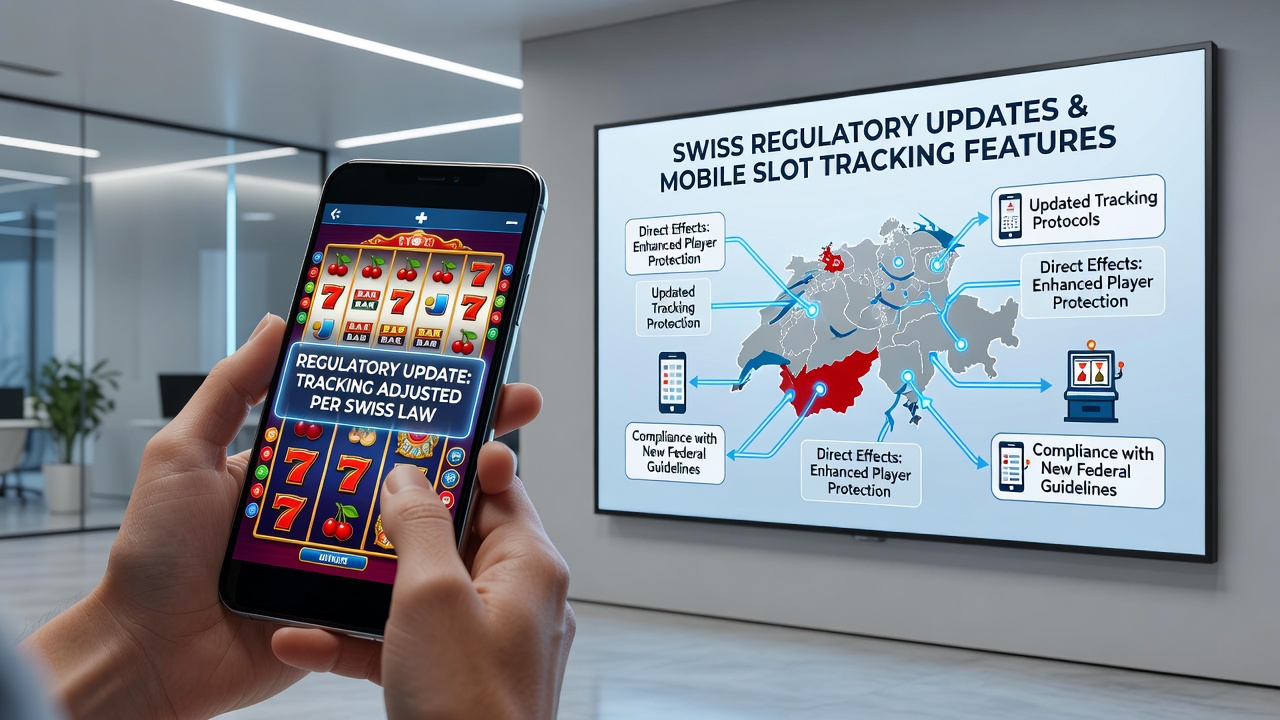
Swiss authorities introduced updated guidelines in early 2026 that require operators to enhance tracking mechanisms for mobile slot games and these rules took full effect during August 2026, forcing platforms to adjust data collection practices around player sessions and spending patterns. The Federal Gaming Board coordinated with cantonal bodies to enforce tighter standards on session monitoring while operators integrated new software modules that log every spin and wager in real time.
Background on Swiss Gambling Oversight
Switzerland maintains a dual licensing system where federal and cantonal levels share responsibilities and recent amendments build on the 2019 Money Laundering Act revisions that already demanded stricter identity verification for online users. Researchers at the University of Zurich documented how mobile devices now account for over 70 percent of slot activity which prompted regulators to focus specifically on app-based tracking rather than desktop versions alone.
Operators must now transmit anonymized session data to a centralized monitoring system every 15 minutes during active play and this change aligns with broader European efforts to standardize responsible gambling tools across borders. Figures from the Swiss Federal Statistical Office reveal that mobile slot users average 42 minutes per session which regulators cite as justification for the new reporting cadence.
Key Requirements for Mobile Tracking
Under the August 2026 framework every licensed platform must embed device fingerprinting and geolocation checks that update continuously rather than at login only and these features help confirm that players remain within Swiss territory throughout each session. Software providers responded by releasing updated SDKs that capture bet frequency and velocity metrics then flag patterns that exceed predefined risk thresholds.
One study conducted by the Swiss Institute for Gambling Research found that platforms adopting the new tracking layers reduced instances of rapid successive bets by 28 percent within the first three months of implementation. Data encryption standards also tightened so all transmitted tracking information uses AES-256 protocols with mandatory key rotation every 24 hours.
Impact on Player Identification and Limits
Players now encounter mandatory cool-down prompts after reaching 60 percent of their daily loss limit and the tracking system records whether the user acknowledges or dismisses these alerts. Operators report that integration required an average of 11 weeks of development time and testing across iOS and Android environments.
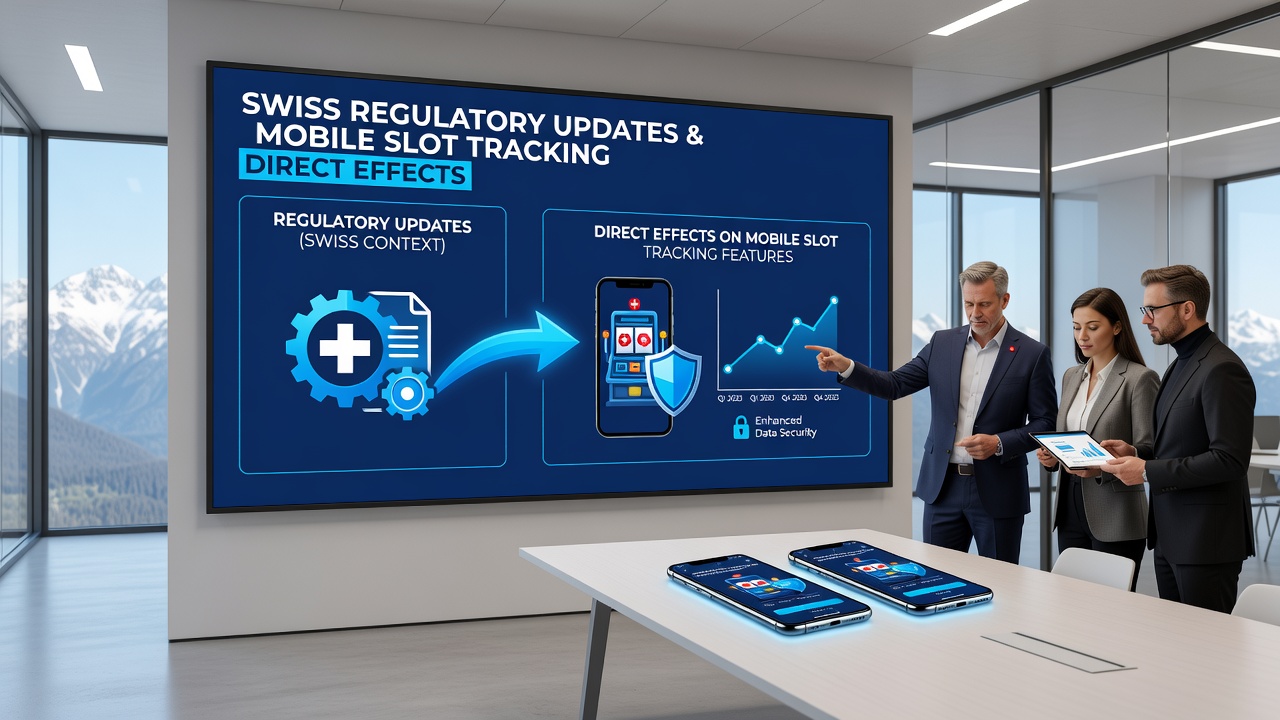
Industry groups such as the European Gaming and Betting Association published compliance guidelines that detail how to map existing player accounts onto the enhanced tracking schema without disrupting ongoing sessions. The guidelines emphasize that tracking must remain invisible to users except when responsible gambling interventions activate.
Technical Adjustments by Operators
Many platforms shifted from batch processing of tracking data to continuous streaming pipelines built on Apache Kafka and this architectural change allows regulators to receive alerts within seconds when a player approaches self-exclusion thresholds. Testing conducted by independent auditors in Geneva confirmed that latency stayed below 800 milliseconds even during peak evening hours.
Developers also added support for cross-device session stitching so a user who begins play on a phone and switches to a tablet maintains a single continuous tracking record. Swiss regulators require these stitched records to be stored for a minimum of five years to support potential audits or dispute resolution.
International Comparisons and Data Sharing
Observers note that similar tracking mandates appeared in Australian state regulations during 2025 and Canadian provincial frameworks continue to evolve along parallel lines yet Swiss rules include stricter real-time reporting intervals. A joint report issued by the Australian Institute of Criminology and the Swiss Federal Gaming Board highlighted shared challenges around mobile data privacy while respecting differing legal traditions.
Operators licensed in multiple jurisdictions now maintain separate tracking modules for each market to avoid cross-contamination of data flows and this compartmentalization adds roughly 15 percent to annual maintenance budgets according to industry estimates.
Conclusion
The August 2026 updates have standardized how mobile slot tracking operates across Switzerland and required operators to invest in new infrastructure while preserving player privacy safeguards. Continued monitoring by federal and cantonal authorities will determine whether additional refinements become necessary as usage patterns evolve and technology advances further.